 CourtHeath Consulting
 CourtHeath Consulting
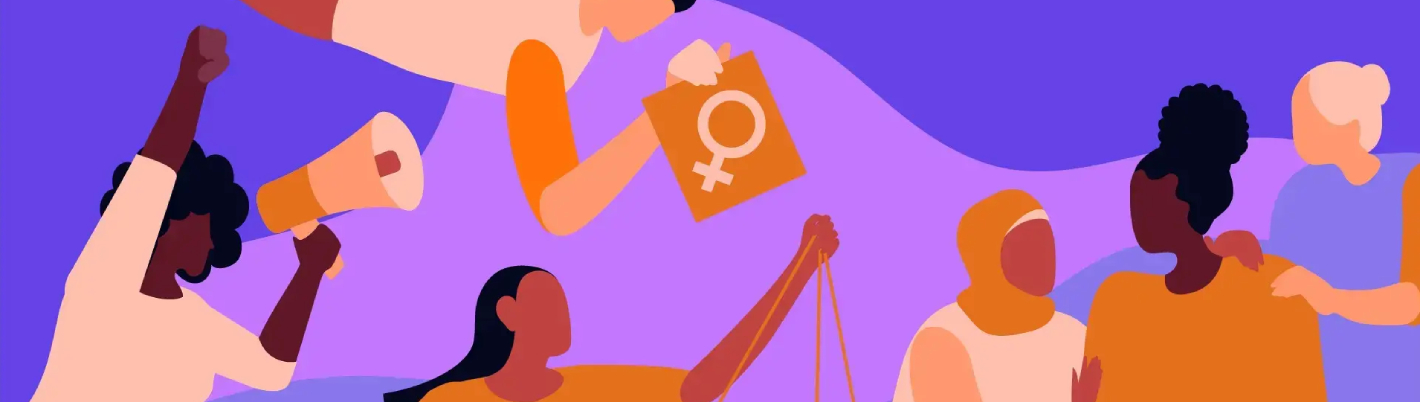
Today, 25 November 2026, marks International Day for the Elimination of Violence against Women. It is a global call to prevent violence against women and girls and uphold their right to safety and justice. This year’s theme, ‘Ensure justice, protect survivors, end impunity’, calls for justice systems to make it safer for women and girls to report violence, help survivors access support and hold those who use violence accountable.
The 16 Days of Activism
Women’s rights activism began observing 25 November in 1981 to honour the Mirabal sisters, three political activists murdered in the Dominican Republic in 1960. The International Day also opens the annual 16 Days of Activism against Gender-Based Violence. The United Nations’ UNiTE campaign carries this theme through to Human Rights Day on 10 December.
This year’s theme draws attention to what happens when women and girls seek help. Fear, stigma and discrimination can make it harder to report violence or get support. The campaign calls for safe ways to report abuse, services that respond to survivors’ needs and enforcement of laws so that people who use violence are held accountable.
What is considered violence against women and girls?
The UN declaration describes violence against women as gender-based acts that cause, or are likely to cause, physical, sexual or psychological harm. It includes threats, coercion, and unjust restrictions on someone’s freedom. Violence can occur in private or in public, including at home, at work and online.
UN Women’s global figures show how widespread violence against women and girls is, and how rarely women turn to police:
- Nearly 1 in 3 women and girls aged 15 and over worldwide, an estimated 840 million, have experienced physical or sexual violence by a partner, sexual violence by someone other than a partner, or both, at least once.
- An estimated 43 million girls aged 15 to 19 have already experienced one or both of these forms of violence.
- Fewer than 40% of women who experience violence seek help. Of those who do, fewer than 1 in 10 turn to police.
Gender-based violence in Australia
In Australia, violence against women has many names, including domestic violence, family violence, intimate partner violence, coercive control, online abuse, stalking, sexual harassment and sexual assault (OurWatch). The Australian Bureau of Statistics’ 2021-22 Personal Safety Survey found:
- 39% of women (2 in 5) aged 18 and over had experienced physical or sexual violence since age 15
- 35% had experienced such violence from someone they knew, compared with 11% who had experienced it from a stranger.
As of 23 November, journalist Sherele Moody’s Australian Femicide watch had recorded 63 women killed by violence in Australia this year. Of those women, 52 knew the person responsible.
Action in Victoria
Across Victoria, the 16 Days of Activism is an opportunity to raise awareness and support community-led prevention. Through the Grassroots Initiative, Respect Victoria and Safe and Equal help local groups run campaigns and events under the theme Respect is… View the events calendar and campaign guide.
Other initiatives include:
- Safe and Equal’s Change in action campaign, which shares examples of how practitioners and advocates prevent violence, intervene early and support people affected by it. Explore Change in action.
- To show solidarity with survivors, landmarks in Melbourne, Geelong, Bendigo, and other Victorian communities will light up in orange during the 16 Days. Find more locations in Victoria and across Australia.
Victoria’s Gender Equality Act 2020
Local campaigns are one part of Victoria’s prevention efforts. The Gender Equality Act 2020 requires the public sector organisations, councils and universities it covers to make progress on workplace gender equality and assess the gender impact of new or reviewed policies, programs and services that directly and significantly affect the public. The Statutory review of the Gender Equality Act 2020 report, released 31 October 2025, found that the Act is contributing to gender equality and recommended ways to improve how it operates.
Conclusion
Violence against women and girls remains one of the most pervasive human rights violations in the world. It undermines safety and equality, limits opportunities and causes lasting harm to individuals, families and communities. International Day for the Elimination of Violence against Women and related global and local initiatives play a crucial role in raising awareness, driving advocacy and promoting sustainable prevention strategies. Through shared responsibility and ongoing action, a safer world for women and girls is possible.
Resources
- 16 Days of Activism Against Gender-based Violence (Safe and Equal)
- About us and the Gender Equality Act 2020 (Victorian Government)
- Australian Femicide Watch (The RED HEART Movement)
- Facts and figures: Ending violence against women (UN Women)
- International Day for the Elimination of Violence Against Women (UN)
- Personal Safety, Australia (ABS)
- Quick facts about violence against women (OurWatch)
***
CourtHeath acknowledges the Traditional Aboriginal Owners of Country throughout Victoria and pays respect to Elders past and present, and to the ongoing living culture of Aboriginal people.
A participant in the UN Global Compact, CourtHeath seeks to raise awareness about the sustainable development goals and the principles of the Global Compact with business and government organisations in Victoria.
***
IMAGE: UN WOMEN
***
[category courtheath's blog]
