 CourtHeath Consulting
 CourtHeath Consulting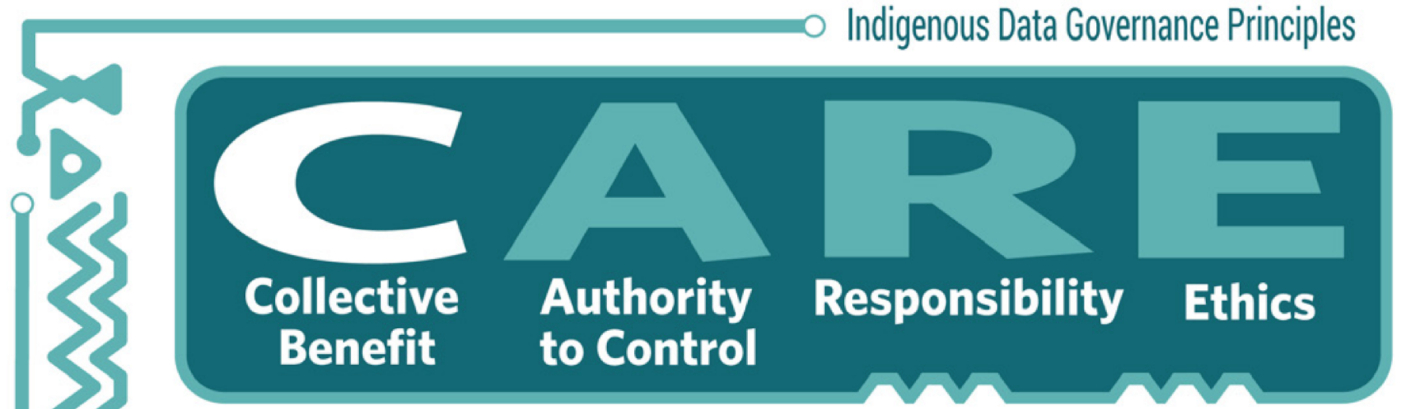
Indigenous Data Sovereignty recognises the rights of Indigenous peoples to control data about their communities, cultures, lands, and resources, ensuring research and data practices support self-determination and collective benefit. In this blog, we explore what Indigenous Data Sovereignty means in practice, and the key principles and frameworks that guide its implementation.
Data plays an important role in research, policy development, and service delivery. However, for Indigenous peoples, data is more than information collected for analysis, as it can relate to culture, knowledge, language, health, Country, resources, and community wellbeing. Historically, research involving Indigenous peoples has not always been conducted in ways that respected Indigenous rights, perspectives or interests. As a result, Indigenous communities may hold understandable concerns about how research is undertaken, how data is collected and who ultimately controls its use.
In response to these challenges, the concept of Indigenous Data Sovereignty has gained increasing recognition. At its core, it recognises that Indigenous peoples should have a meaningful say in how data about their communities, cultures, and knowledge is collected, used, shared, and governed.
What is Indigenous Data Sovereignty?
Indigenous Data Sovereignty refers to the right of Indigenous peoples to govern the collection, ownership, and application of data relating to Indigenous peoples, communities, lands, and resources, regardless of where that data is held.
Indigenous Data Governance is the mechanism through which these rights are exercised. In practice, this means ensuring data practices align with Indigenous priorities, values, and aspirations throughout the entire data lifecycle, from collection and storage through to analysis, sharing, and future use.
Key principles
A number of frameworks have been developed to support ethical and responsible management of Indigenous research data.
Internationally, the CARE Principles for Indigenous Data Governance emphasise Collective Benefit, Authority to Control, Responsibility, and Ethics, and are designed to complement standard open-data frameworks like the FAIR Principles (Findable, Accessible, Interoperable, and Reusable). While FAIR focuses on making data more accessible and reusable, CARE focuses on ensuring data is used in ways that deliver collective benefit and respects Indigenous rights and interests.
In Australia
Compliance with national ethical frameworks, such as the AIATSIS Code of Ethics for Aboriginal and Torres Strait Islander Research and the NHMRC Ethical Guidelines, is critical to ensuring research integrity. These principles align with the United Nations Declaration on the Rights of Indigenous Peoples (UNDRIP), which establishes the right of Indigenous communities to maintain, control, protect, and develop their cultural heritage and traditional knowledge.
The Maiam nayri Wingara Indigenous Data Sovereignty Principles articulate the rights of Indigenous peoples to exercise control over the data ecosystem, access contextual and relevant data, and ensure data structures are accountable, protective, and respectful of individual and collective interests. The Maiam nayri Wingara Indigenous Data Sovereignty Collective asserts that, in Australia, Indigenous peoples have the right to:
- Exercise control of the data ecosystem including creation, development, stewardship, analysis, dissemination and infrastructure.
- Data that is contextual and disaggregated (available and accessible at individual, community and First Nations levels).
- Data that is relevant and empowers sustainable self-determination and effective self-governance.
- Data structures that are accountable to Indigenous peoples and First Nations.
- Data that is protective and respects our individual and collective interests.
For researchers and organisations, adopting Indigenous data governance practices is not simply a compliance exercise. It is an opportunity to build trust, strengthen relationships, and support more meaningful and ethical research outcomes.
Conclusion
Indigenous Data Sovereignty is becoming an increasingly important consideration for organisations working with Aboriginal and Torres Strait Islander peoples and communities. By embedding Indigenous rights, governance, and self-determination into data practices, researchers can contribute to more respectful, accountable, and beneficial outcomes for Indigenous communities while strengthening the quality and integrity of research itself.
Resources
- Aboriginal and Torres Strait Islander Research Data (Curtin University)
- AIATSIS Code of Ethics for Aboriginal and Torres Strait Islander Research (AIATSIS)
- CARE Principles for Indigenous Data Governance (GIDA)
- Maiam nayri Wingara Indigenous Data Sovereignty Principles (Maiam nayri Wingara)
- United Nations Declaration on the Rights of Indigenous Peoples (UN)
***
CourtHeath acknowledges the Traditional Aboriginal Owners of Country throughout Victoria and pays respect to Elders past and present, and to the ongoing living culture of Aboriginal people.
A participant in the UN Global Compact, CourtHeath seeks to raise awareness about the sustainable development goals and the principles of the Global Compact with business and government organisations in Victoria.
***
IMAGE: Global Indigenous Data Alliance (GIDA)
***
**
[category courtheath's blog]
