 CourtHeath Consulting
 CourtHeath Consulting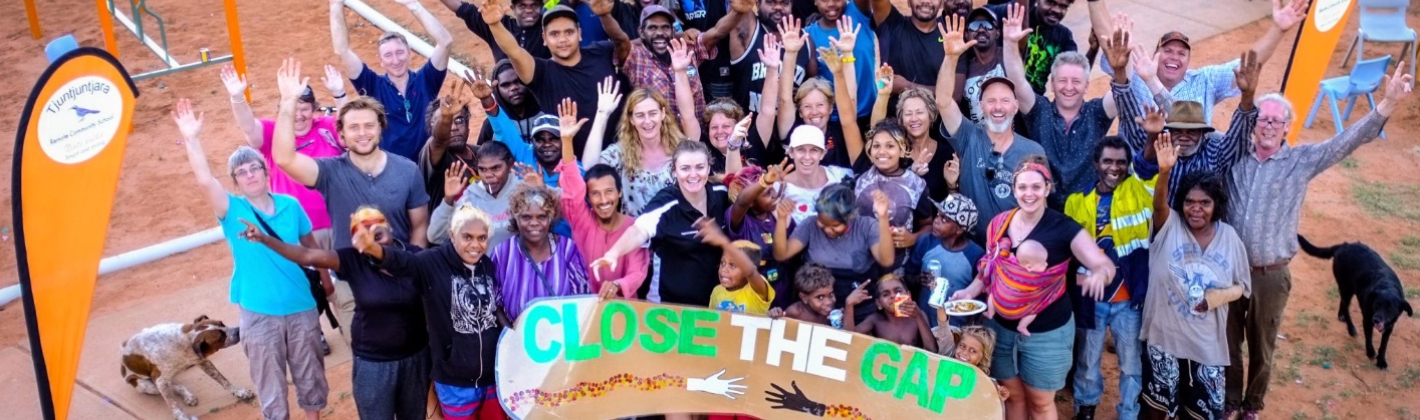
On 19 March each year, National Close the Gap Day marks Australia’s national commitment to improving health and life outcomes for Aboriginal and Torres Strait Islander peoples. The 2026 theme, ‘Community Voices: The Pathway to Justice, Equality and Healing’, emphasises Aboriginal and Torres Strait Islander leadership, expertise and lived experience in shaping policy and reform.
This blog outlines the origins of the Close the Gap Campaign, the formation of the Coalition of Peaks, and the framework created by the 2020 National Agreement on Closing the Gap. It also summarises key points from the Commonwealth’s most recent progress report and highlights events taking place nationally.
National Close the Gap Day highlights ongoing inequalities in health and wellbeing experienced by Aboriginal and Torres Strait Islander peoples and recognises the importance of partnership, self-determination and community-led solutions.
A call for health equality
The Close the Gap Campaign followed Professor Tom Calma’s Social Justice Report (2005) calling for health equality for Aboriginal and Torres Strait Islander peoples within a generation. Health and community organisations formed the Close the Gap Campaign Steering Committee in 2006, and the campaign launched in 2007. That year, the Council of Australian Governments (COAG) adopted national targets to monitor health outcomes.
In 2008, Prime Minister Kevin Rudd delivered the National Apology, and Rudd and Opposition Leader Brendan Nelson signed the Close the Gap Statement of Intent, committing governments to develop an evidence-based plan for health equality and life expectancy.
The Coalition of Peaks
The Coalition of Peaks is a representative body of Aboriginal and Torres Strait Islander community-controlled peak organisations. It represents more than 80 peak bodies and approximately 800 member organisations across Australia. The Coalition emerged during the review of the Closing the Gap framework in 2016, when Aboriginal and Torres Strait Islander peak organisations sought a formal role in shaping the next stage of the strategy. Following this advocacy, governments agreed that Aboriginal and Torres Strait Islander representatives would participate directly in negotiations on a renewed Closing the Gap framework. This process led to the formation of the Coalition of Peaks and a formal partnership with Australian governments.
The Coalition operates by consensus and determines its representatives in discussions with governments, strengthening community-controlled representation in national policy development.
The 2020 National Agreement: a new framework
On 27 July 2020, the Coalition of Peaks, Australian governments and the Australian Local Government Association signed the National Agreement on Closing the Gap.
The Agreement introduced a revised national framework developed in partnership between governments and Aboriginal and Torres Strait Islander peak organisations to improve life outcomes for Aboriginal and Torres Strait Islander peoples.
The framework centres on four Priority Reforms designed to change how governments work with communities:
- formal partnerships and shared decision-making
- strengthening the community-controlled sector
- transforming government organisations
- shared access to data and information.
The Agreement also establishes 19 national targets across 17 socio-economic outcome areas including health, education, employment, housing, justice, safety and language, providing a basis for monitoring progress and strengthening accountability across jurisdictions.
Closing the Gap 2025 Annual Report and 2026 Implementation Plan
On 12 February 2026, the Commonwealth Government released the Closing the Gap 2025 Annual Report and the 2026 Implementation Plan, outlining recent progress and priorities.
Reported achievements include:
- cheaper essential goods in 117 remote stores through the Low-Cost Essentials Subsidy Scheme
- more than 1,450 jobs created through the Remote Jobs and Economic Development (RJED) Program
- more than 300 homes built in remote Northern Territory communities
- expanded culturally safe healthcare services, including Birthing on Country programs
- growth of Junior Ranger activities supporting young people to learn on Country.
Priorities for the coming year, include:
- expanding the RJED Program to create 3,000 additional jobs in remote communities
- supporting additional remote stores to provide affordable essential goods
- continued investment in health infrastructure and services close to community
- expansion of the Indigenous Ranger workforce
- expanded 13YARN crisis support and the Our Ways, Strong Ways, Our Voices plan addressing family, domestic and sexual violence
- investment in housing, sustainable infrastructure and community connectivity, including Wi-Fi in remote communities.
The report highlights continued partnership with First Nations organisations and community-led approaches to policy and program delivery.
Key events for National Close the Gap Day 2026
A number of events will mark the day nationally and locally.
These include:
- 2026 Close the Gap Campaign Report launch webinar (10am AEDT).
- Royal Australian College of General Practitioners (RACGP) webinar (7–8pm AEDT).
- Antar’s Sea of Hands installations, which communities can host to recognise First Nations health rights.
- Community-led activities across schools, workplaces and health services, including discussions, education programs and fundraising initiatives, including Wathaurong Booln Booln Cultural Centre, Govedale (VIC).
Conclusion
National Close the Gap Day highlights both progress and the ongoing national effort to address inequalities experienced by Aboriginal and Torres Strait Islander peoples. The 2026 theme, Community Voices: The Pathway to Justice, Equality and Healing, reflects the growing focus on partnership, self-determination and Aboriginal and Torres Strait Islander community leadership.
Resources
- Close the Gap Campaign History (Close the Gap)
- Closing the Gap and the Coalition of Peaks (Close the Gap)
- Commonwealth Closing the Gap 2025 Annual Report and 2026 Implementation Plan (NIAA)
- National Agreement on Closing the Gap (Coalition of Peaks)
- National Indigenous Australians Agency (NIAA)
- Outcomes and Targets, National Agreement (Coalition of Peaks)
- Our Story (Coalition of Peaks)
***
CourtHeath acknowledges the Traditional Aboriginal Owners of Country throughout Victoria and pays respect to Elders past and present, and to the ongoing living culture of Aboriginal people.
A participant in the UN Global Compact, CourtHeath seeks to raise awareness about the sustainable development goals and the principles of the Global Compact with business and government organisations in Victoria.
***
***
[category courtheath's blog]
